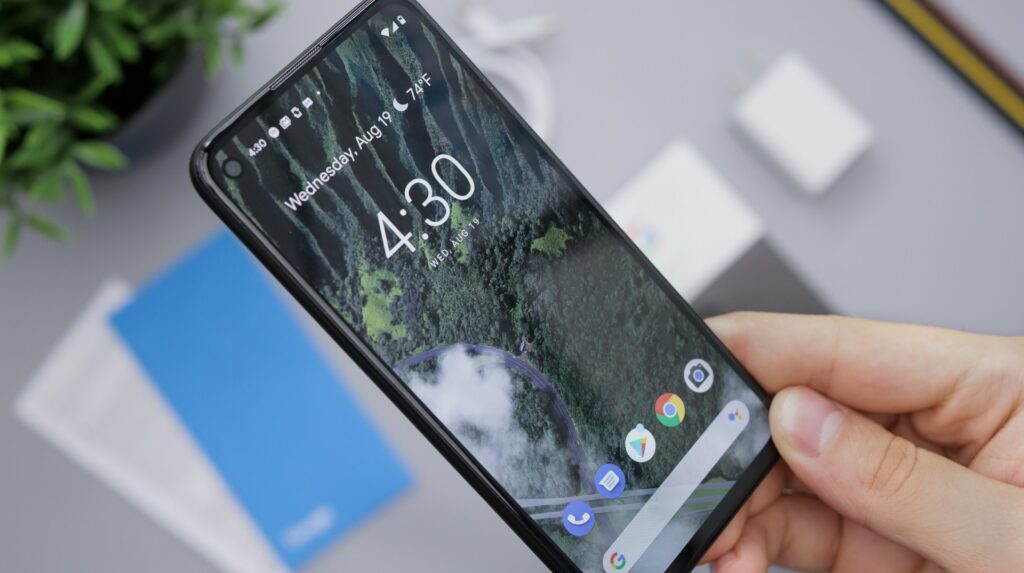

Google is working on deeper integration between smartphones and vehicle infotainment: Clues regarding a feature called Proactive Assistance have surfaced in recent Android development builds, which is also slated to make its way into Android Auto. Previously known under the project name Magic Cue, the technology is designed to provide drivers with relevant suggestions even before setting off.
Clues spotted in recent test versions
Corresponding code snippets and text strings were discovered in current builds of the mobile operating system. According to the findings, the system aims to transfer proactive recommendations directly from Pixel smartphones to the in-vehicle user interface. While Google regularly tests system adjustments—such as preparations for Android 17 and new beta versions for Pixel smartphones—the groundwork within the code now points toward an impending practical rollout for drivers.
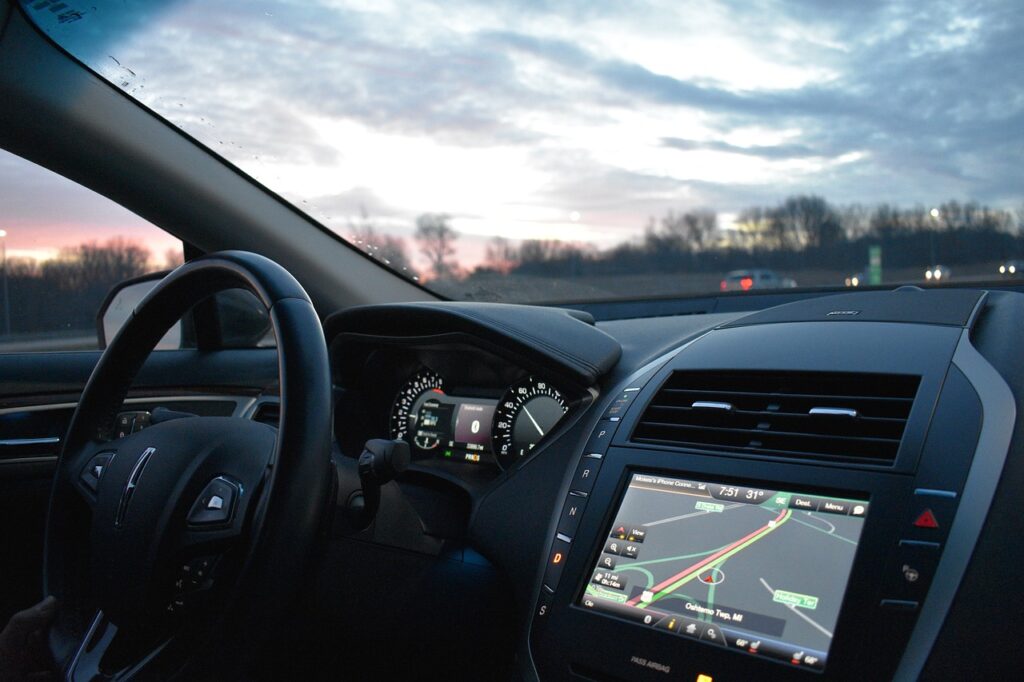
Existing in-car interfaces often require drivers to manually select navigation destinations or media, or request them via voice commands, only after connecting their smartphone. By integrating Proactive Assistance, relevant information could be ready and waiting as soon as the connection between the smartphone and the vehicle is established.
What does Proactive Assistance mean for drivers?
The term Proactive Assistance—previously tracked under the name Magic Cue—describes mechanisms that act anticipate needs rather than waiting for direct user input. In everyday driving, this approach promises noticeable convenience before heading out:
- Suggestions before setting off: The system prepares contextual data before the journey actively begins.
- Less hassle before driving off: Pre-prepared information helps reduce manual interactions on the in-vehicle display right after getting in.
- Seamless connection: The suggestions are based on data and hints from the paired Pixel smartphone.
In addition to convenience features, Google regularly focuses on ergonomic aspects in the automotive environment; just recently, the company introduced features like Motion Assist to combat motion sickness on Android devices. The newly spotted lines of code for Android Auto complement these efforts with proactive assistance features.
Availability and next steps
So far, Google has not officially announced or rolled out the Proactive Assistance feature for Android Auto to end users. Since the references currently only exist as text strings in recent Android builds, it remains unclear when the rollout to regular users will begin. Drivers do not need to adjust any settings for now and can simply wait for future updates to Android and Android Auto.
Sources: Stadt-Bremerhaven