
Google is opening up its smart home ecosystem to third-party AI assistants. By launching its own server based on the open Model Context Protocol (MCP) standard, external agents will soon be able to directly access connected devices, query status reports, and execute commands. Until now, users primarily had to rely on Google’s proprietary voice controls to manage their smart homes.
Natural Language Control and Protocol Integration
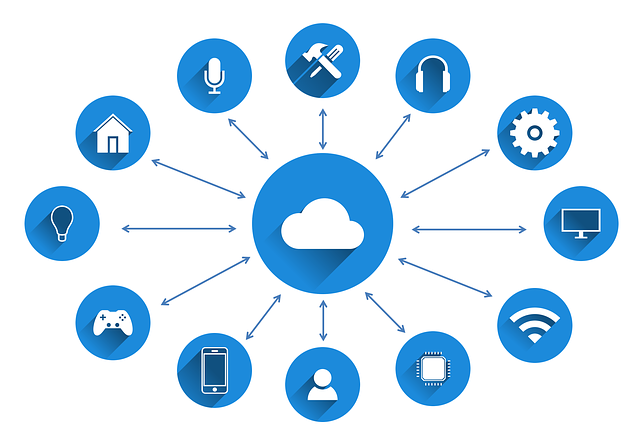
The Model Context Protocol acts as a standardized bridge between large language models and external data sources or software interfaces. Google’s new MCP server allows AI models such as Anthropic’s Claude, ChatGPT, or alternative agents like Hermes, OpenClaw, and Google Antigravity to tap into the state of the connected home. Users can prompt their assistants in natural language to analyze activity, pull video summaries from security cameras, or build custom control dashboards.
According to Google, the interface covers the entire breadth of the Google Home ecosystem. This includes first-party Nest devices such as doorbells and thermostats, as well as third-party hardware carrying the “Works with Google Home” badge or supporting the cross-vendor Matter standard. While Google already leverages MCP across developer tools, Google Cloud, and Google Workspace, this expansion into the smart home targets end users looking to explore advanced automations.
Complex Setup and Exclusive Early Access
For now, the setup process is tailored to tech-savvy users. Establishing the connection requires creating a project in the Google Cloud Console, configuring it for Home MCP, and passing the API credentials to the chosen AI agent. Authentication and permissions management then follow via the assistant’s user interface. Google has published an official setup guide in its Developer Center.
Access is currently strictly limited: Google is rolling out the MCP server as an early-access feature to subscribers of its “Google Home Premium Advanced” tier in the US. Priced at $20 per month, this subscription includes extended event-based video history, detailed notifications, video search tools, and daily summaries. Google has not yet disclosed if or when the interface will become available for lower-tier plans or to users outside the US.
What Does This Mean for International Users?
For users outside the US, nothing changes in the immediate term, as access remains restricted to paying US customers for now. However, opening the platform via the MCP standard highlights a growing trend: connected home appliances are increasingly decoupling from proprietary voice assistants, moving toward flexible orchestration by universal AI agents. Enthusiasts worldwide will have to wait for a broader rollout.
Sources: Techcrunch.com, Stadt-Bremerhaven