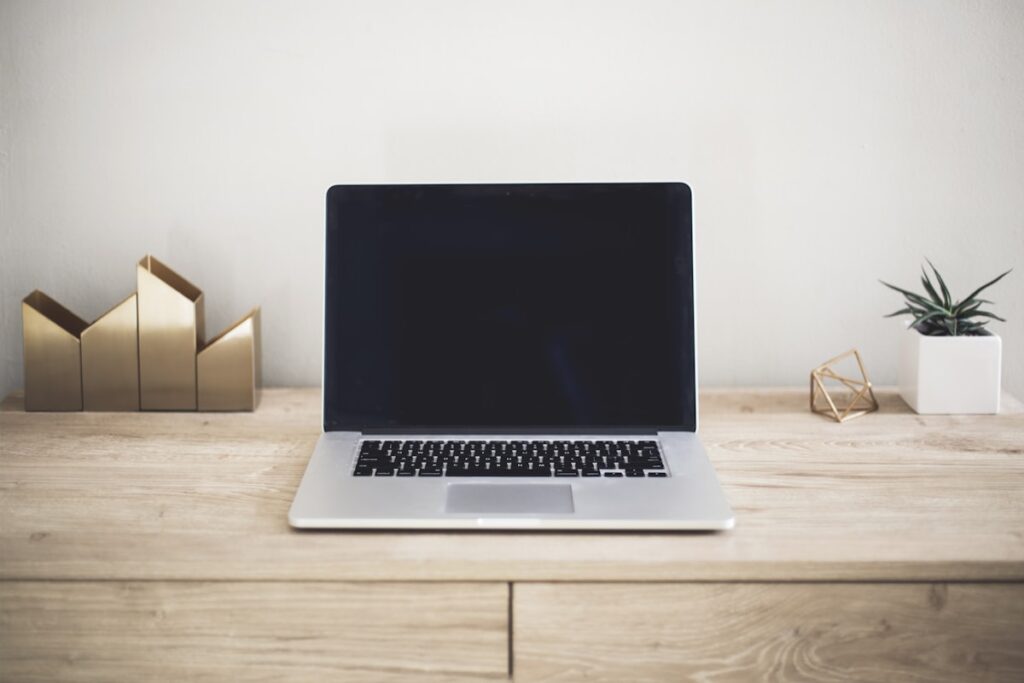

On October 5, 2026, Google is launching its new notebook category under the name Googlebook in the German market. Aimed at consumers, the devices run on an Android-based operating system supplied directly with software and updates by Google.
Market launch with five hardware partners
Following initial shipments in the US and the earlier start of pre-orders for new Android notebooks, the official rollout is now expanding to other countries. Alongside Germany, the devices will simultaneously hit shelves in Canada, the United Kingdom, Ireland, France, and Australia.
At launch, five established PC manufacturers are supporting the new platform with their own hardware:
- Acer
- Asus
- Dell
- HP
- Lenovo
A standalone platform rather than a mere port
As Google clarifies, Googlebook is not simply an extension of existing Android versions or the Chromebook operating system, ChromeOS. Instead, the platform was conceived from the ground up. The key difference compared to many traditional Android devices lies in software management: the operating system, along with all security and system updates, is delivered directly by Google rather than distributed through device manufacturers.
Various device lineups announced
With their announcements, the participating manufacturers cover multiple performance tiers. One of the first concrete models revealed is the Dell XPS Googlebook. This notebook is powered by a Qualcomm Snapdragon X Elite processor and features a 13.4-inch LCD display with a 2.5K resolution. According to manufacturer specifications, the 2.2-pound device achieves a battery life of up to 18 hours. Pricing for this configuration starts at $999.
What this means for consumers
For buyers in Germany, Googlebook provides an additional option beyond established operating systems like Windows or macOS. Through direct update distribution by Google, the platform promises a consistent software base without manufacturer-specific delays. Interested users should wait for initial reviews and the exact feature set of the Android software for desktop productivity applications before making a purchase decision.
Sources: Borncity.com