
Wearable maker Ultrahuman and digital health company HealthEx have launched a direct interface connecting smart fitness rings with medical health records. Dubbed HealthEx PowerPlug, the feature merges continuously recorded sensor data with official clinical diagnoses and treatment courses. The service launches in mid-September 2026, initially limited to the US metropolitan areas of New York and San Francisco.
Linking 532 Medical Conditions with Sensor Data
The system cross-references biomarkers continuously tracked by the ring with a total of 532 specific medical conditions, medications, and clinical procedures. Monitored metrics include resting heart rate, heart rate variability (HRV – the subtle fluctuation in the time interval between heartbeats), deep sleep stages, and skin temperature changes. According to Ultrahuman, this integration aims to bridge the gap between brief clinic visits—which in the US average 15 minutes—and routine daily health tracking.
To synchronize data, the service utilizes the nationwide US TEFCA framework (Trusted Exchange Framework and Common Agreement), which regulates the standardized exchange of electronic patient records. Ultrahuman requires a paid subscription for the add-on feature, priced at $4.99 per month or $45.99 annually. By contrast, the associated HealthEx Wallet app is available at no extra charge. For future updates, the manufacturer has already announced specialized modules covering vitamin D, GLP-1 drug therapies, and respiratory illnesses.
Market Landscape and Relevance for Users
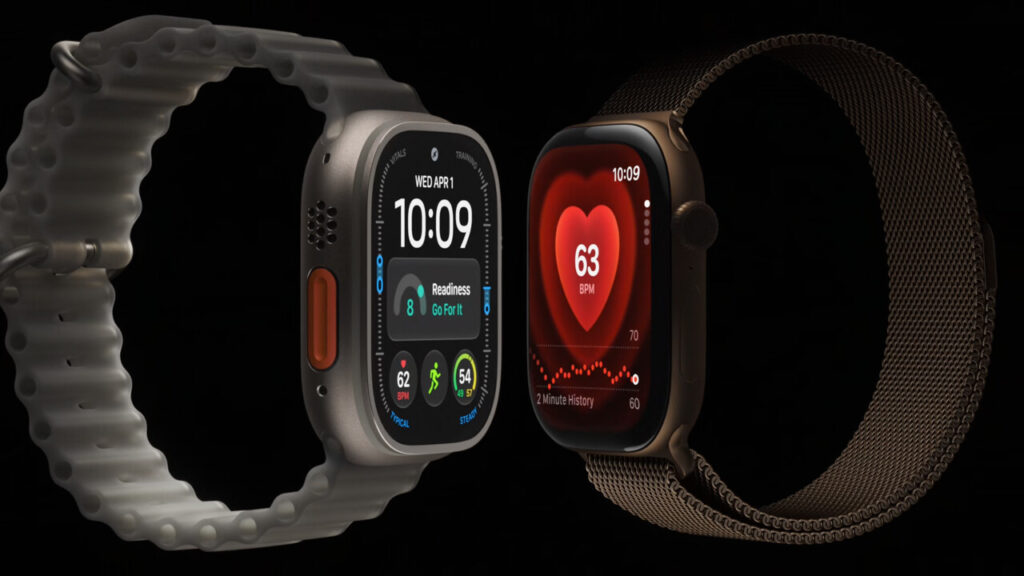
Integrating clinical data into consumer wearables is steadily gaining traction. Alongside Ultrahuman, Apple, for instance, continues to expand its Health platform on iOS, incorporating lab results and introducing AI-driven analytics for readiness and vital metrics.
Consolidating sensor metrics and medical records through such interfaces also raises fundamental privacy concerns: Sensitive health histories and continuous biometric measurements are processed on a unified platform. Prospective smart ring users should always verify where the data is stored and review the access permissions requested by third-party integrations before approving clinical connections.
Sources: Borncity.com