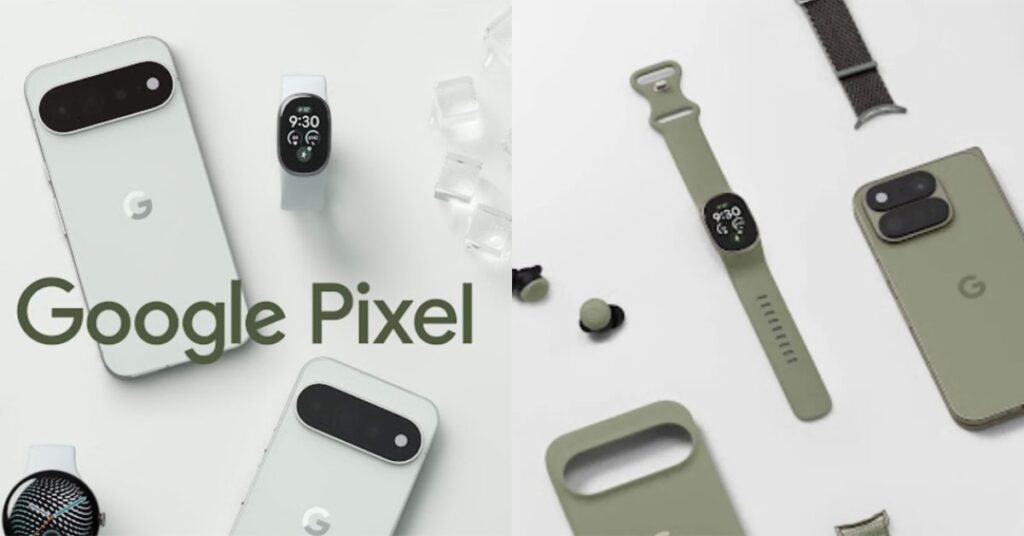

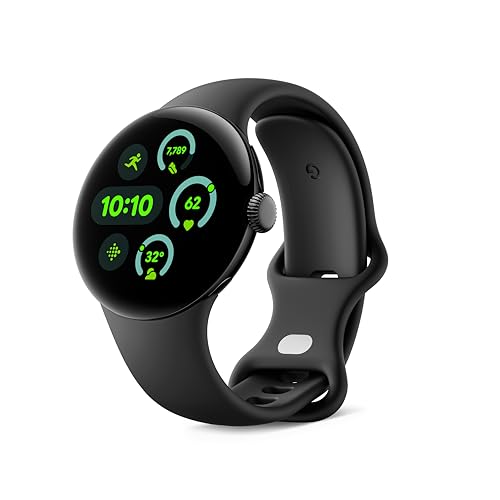
Google has rolled out the Health Guardian health feature for users of the Pixel Watch 3, 4, and 5. The software-based system relies on artificial intelligence to estimate insulin resistance trends and individual metabolic stress levels directly from the smartwatch—entirely without invasive blood sampling.
How the needle-free analysis works
Instead of traditional blood tests, the system relies on continuous data collection. As previously announced with the introduction of new blood pressure and insulin trends for Pixel Watches, Google combines personal profile data such as height and weight with readings from the smartwatch’s sensors over a period of several weeks. An AI model analyzes these combined values to draw conclusions about metabolic strain and potential early stages of metabolic disorders.
The assessment is made available to users monthly within the Google Health app. Since these are estimated values, the software does not replace clinical laboratory diagnostics, but it is intended to provide early warnings of unfavorable metabolic changes.
Requirements and feature differences depending on the model
Certain wearing conditions must be met for the algorithms to calculate meaningful data. For the accompanying tracking of blood pressure trends, the system requires the smartwatch to be worn on the wrist for at least five consecutive days per week. Irregular wear means trends cannot be reliably determined.
Additionally, the feature set differs between device generations. While assessments of metabolic stress and insulin resistance are available on the Pixel Watch 3, 4, and 5 models, another safety feature remains reserved for the newer models: respiratory emergency detection is exclusively integrated into the Pixel Watch 4 and Pixel Watch 5.
What users should keep in mind now
Owners of the supported Google smartwatches should check whether profile data such as height and weight are kept up to date in the Google Health app, as these factor directly into the calculation. In addition, regularly wearing the watch in everyday life is recommended to ensure uninterrupted measurement data for monthly evaluations. According to Borncity.com, rollout takes place directly via the Health Guardian system.
Sources: Borncity.com