
For the first time, scientists have shown directly in living human heart tissue that the organ can grow new muscle cells after a heart attack – overturning the long-held view that damaged areas are lost for good.
What the researchers found
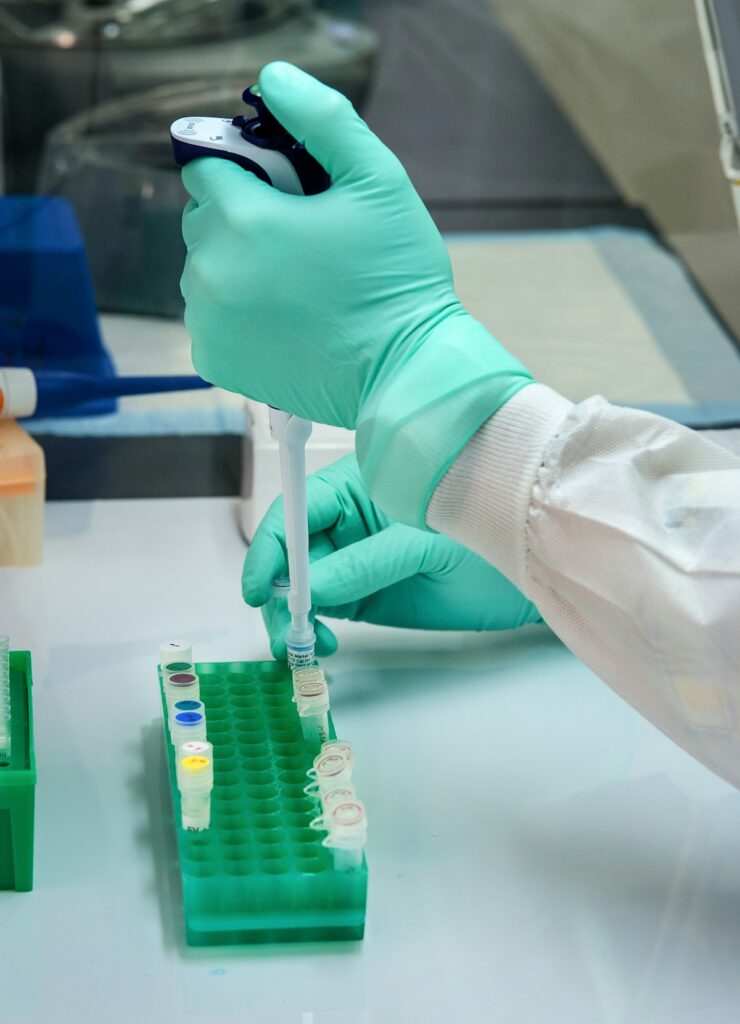
A team led by Dr. Robert Hume at the University of Sydney’s Charles Perkins Centre and the Baird Institute analysed tissue samples taken from patients during bypass surgery at Royal Prince Alfred Hospital in Sydney. It is the world’s first study to use such “pre-mortem” samples from living, beating hearts. The finding: heart muscle cells (cardiomyocytes) can re-enter the cell cycle and complete division after an infarction – a process previously seen only in animal models.
Why it matters
A heart attack can destroy up to a third of the heart’s muscle cells, and those scarred regions were assumed to be beyond repair. Strikingly, in patients fitted with a mechanical heart pump (LVAD) whose heart function recovered, the rate of newly formed muscle cells was more than six times higher than in healthy hearts – raising hopes of deliberately boosting the heart’s own repair.
The caveat
Published in Circulation Research, the work is a fundamental discovery, not yet a treatment. Hume stresses that natural regeneration alone is not enough to prevent the devastating effects of a heart attack. Still, it opens a path toward future regenerative therapies for heart failure – a condition affecting some 144,000 people in Australia alone.
Sources: University of Sydney (press release); Hume et al., Circulation Research (American Heart Association), DOI 10.1161/CIRCRESAHA.125.327486, published online 10 September 2026.