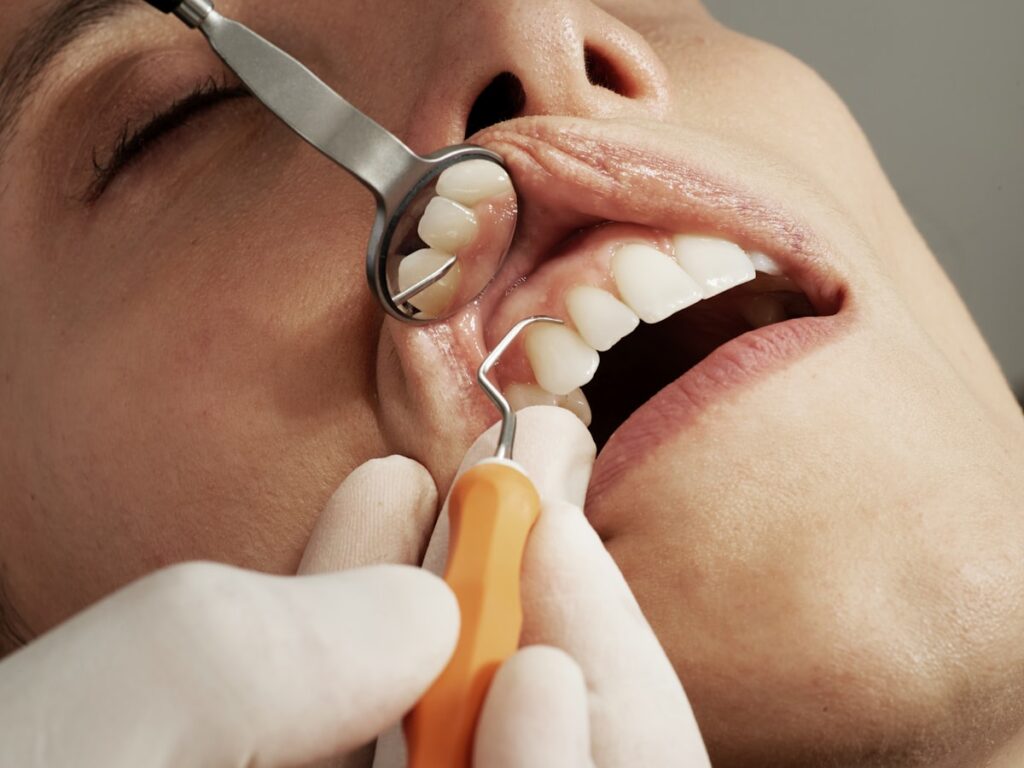

A Japanese research team is testing a drug meant to grow entirely new teeth. The first clinical phase in humans is considered complete – with no serious side effects.
How it works
The active agent is an antibody that blocks the protein USAG-1. This boosts the so-called BMP signaling pathways and prompts tooth buds that are already present in the jaw – but normally “dormant” – to grow. A University of Kyoto team originally demonstrated the effect in mice and ferrets; the foundational study appeared in Science Advances.
Where things stand
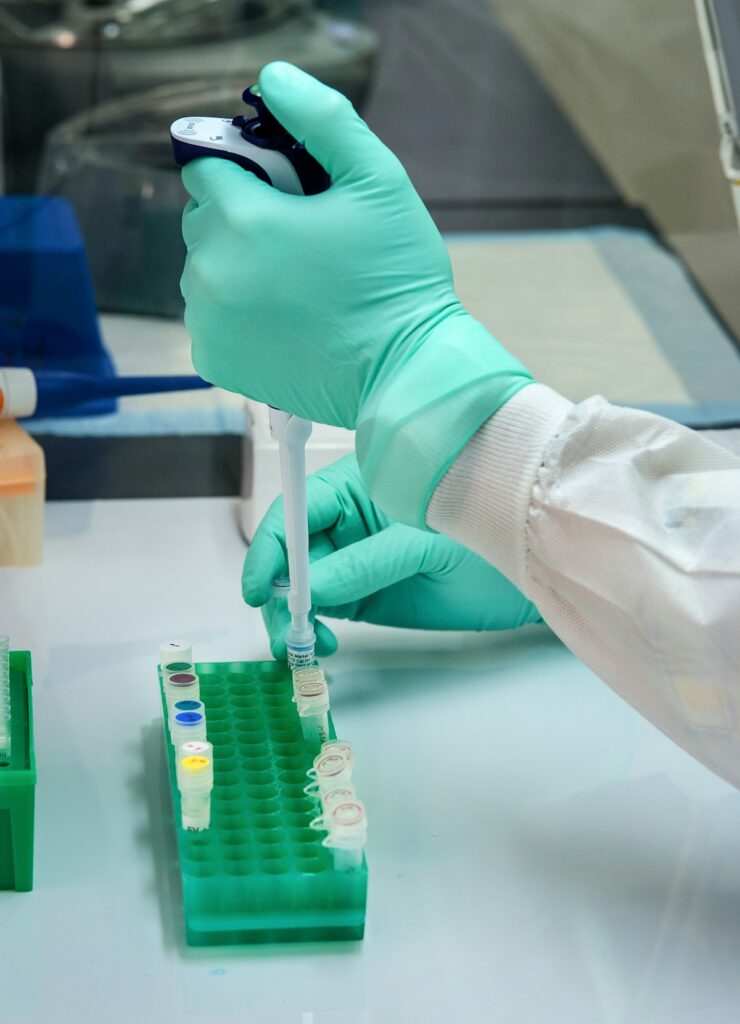
The company Toregem Biopharma launched the Phase I study at Kyoto University Hospital in October 2024: 30 healthy men aged 30 to 64 with at least one missing molar, primarily to assess safety. That phase is complete and safety has been confirmed. In May 2026, Toregem raised 5.3 million US dollars for the subsequent Phase II.
There is still a long road to approval. If it succeeds, it would be the first genuine alternative to implants and bridges – teeth the body grows back on its own.
Sources: Dentistry.co.uk, Medpath.