
NASA has demonstrated a system for the first time that lets satellites navigate in Earth orbit without GPS. The “FALCON” system uses onboard cameras to identify other objects in space and autonomously determines its own position from them.
Other objects as landmarks
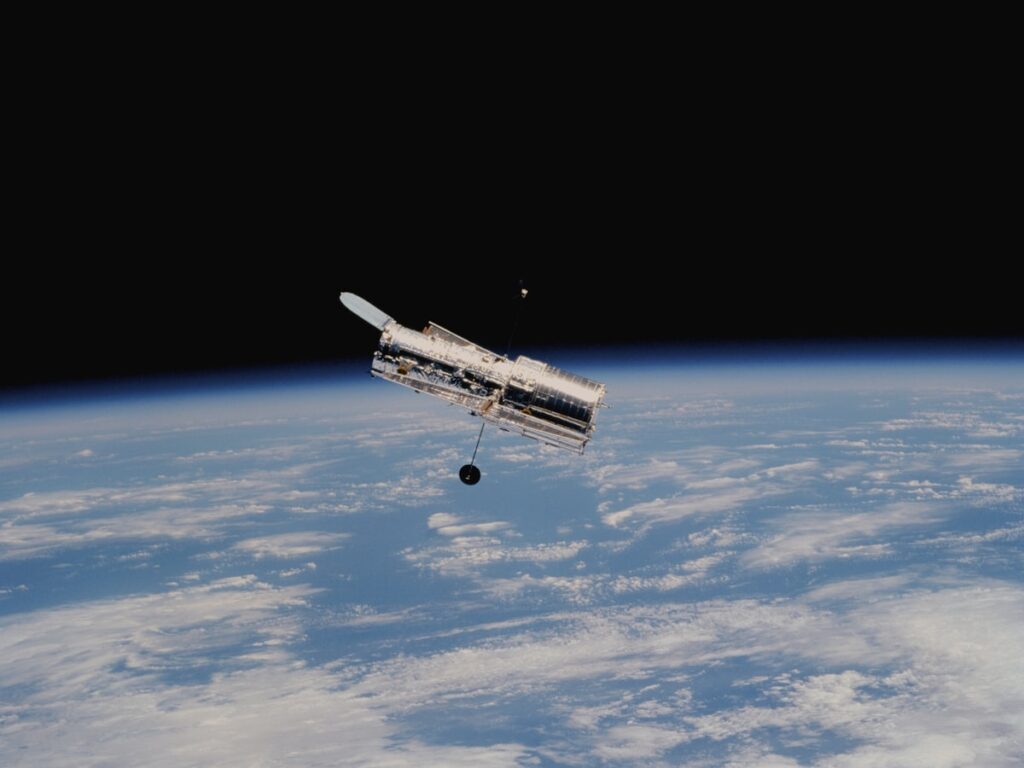
FALCON (Fast Autonomous Lost-in-space Catalog-based Optical Navigation) ran aboard the Starling CubeSat mission in low Earth orbit. The cameras capture other satellites and orbital debris and match them against an onboard catalog of about 20,000 known objects and their orbits. From this comparison, the satellite calculates its own position – with no signals from Earth.
More accurate than the catalog
Over three days, the system autonomously improved the known orbits of more than 200 objects; the onboard estimates ended up even more accurate than the existing catalog data. FALCON is a joint experiment by NASA and the Stanford spinout EraDrive.
Important for the Moon and deep space
GPS is not designed for navigation beyond Earth’s vicinity. The farther spacecraft travel – toward the Moon, for example – the more valuable such autonomous methods become, since they need no signals from Earth.
Sources: Space.com, ScienceDaily.