
A drug used worldwide could one day ease the painful stings of sea nettle jellyfish: in lab tests, the anticoagulant heparin blocked the venom’s cell-killing action – even when it was added an hour after exposure.
A gene screen exposes the venom’s targets
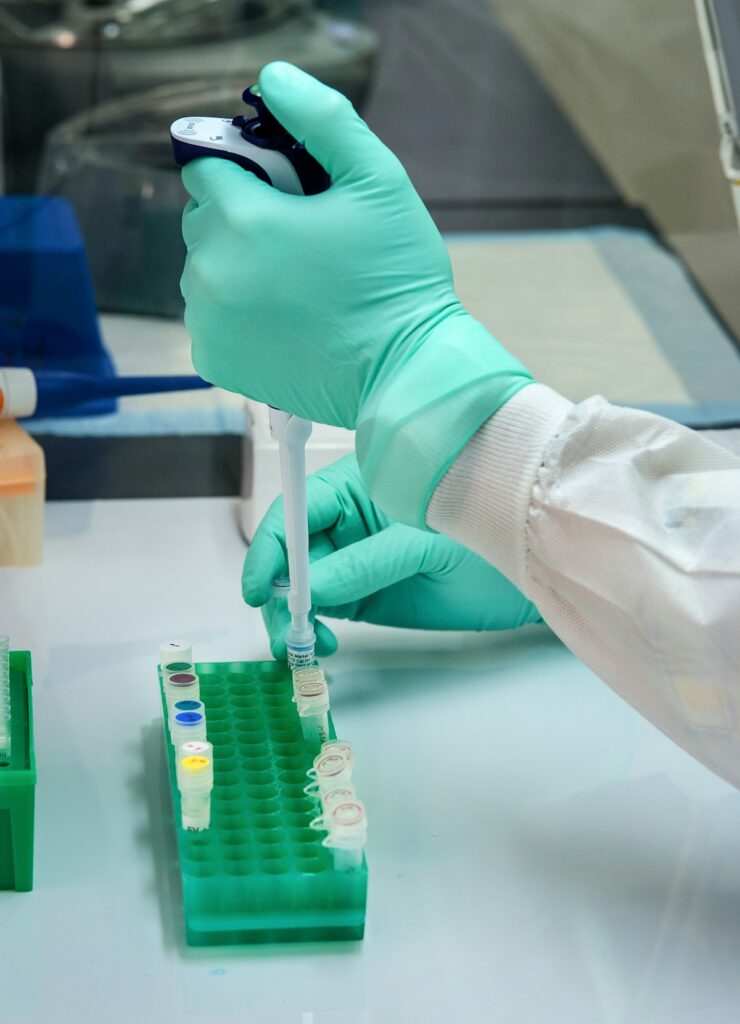
A team led by Professor G. Gregory Neely at the University of Sydney’s Charles Perkins Centre used a genome-wide CRISPR screen to comb through human cells for the genes that decide life or death after a dose of venom. The results appeared on 2 September 2026 in the journal Science Advances, with contributions from the Liverpool School of Tropical Medicine and the University of Oslo.
Strikingly often, the researchers landed on genes that govern the assembly of proteoglycans – sugar-protein structures on the cell surface. The venom appears to latch on precisely there, then pushes cells into death through two self-destruct programmes (apoptosis and necroptosis).
- The screen flagged heparan sulfate and proteoglycan biosynthesis as the top pathway.
- Heparin mimics these sugar structures and mops up the venom before it reaches the cells.
- Even a low dose was enough – and protection held up to 60 minutes after exposure.
In mice, the drug eased both the acute pain and the lingering hypersensitivity to heat and touch after a simulated sting. Because heparin has been in clinical use as a blood thinner for decades, it would be a readily available and well-studied candidate.
One caveat remains: the evidence so far comes from cell cultures and animal experiments. Whether heparin also relieves symptoms in people stung by jellyfish will have to be confirmed in clinical trials.
Sources: Science Advances · PubMed · University of Sydney