
Xiaomi WXKG01LM in Home Assistant
Buttons & remotes · Zigbee · Mi wireless switch
This device is known to both Zigbee integrations: Zigbee2MQTT has a definition for it, and ZHA has a quirk that adapts it.
Facts about this device
- Brand
- Xiaomi
- Model
- WXKG01LM
- Device type
- Buttons & remotes
- Radio
- Zigbee
- Power
- Battery
- Reports itself as
- lumi.sensor_switch
- Also sold as
- Xiaomi YTC4006CN, Xiaomi YTC4017CN, Xiaomi YTC4040GL
- Zigbee2MQTT
- Device page on zigbee2mqtt.io
How the device gets into Home Assistant
- official ZHA – with a Zigbee coordinator and the ZHA integration; the quirk the device needs is part of ZHA.
- add-on Zigbee2MQTT – Zigbee2MQTT runs as an add-on and passes the device on to Home Assistant over MQTT.
Known problems and fixes
Open problems
- open The Mijia sensor switch shows incorrect button names in Home Assistant, and this bug is reported to fix the display.
ZHA quirks for this device
Quirk included in ZHA Recommended quirk
Part of ZHA – Home Assistant uses it on its own, nothing to install.
Source:
zha-device-handlers · since zha-quirks 2.2.2
Signature: LUMI / lumi.sensor_switch
1 more quirk for this device
-
Quirk proposed, not merged yet
LUMI/lumi.sensor_switchzha-device-handlers · pull request #5487 · by @zigpy-review-bot · October 20, 2026
Alternatives
The same job from other makers – devices of the same type and radio that work with Home Assistant too.
-
Nedis ZBRC10WT Buttons & remotes · Zigbee, Wi-Fi · Security remote control Zigbee2MQTT Tuya Local (HACS) Custom quirk needed Review · from 20.48 €
-
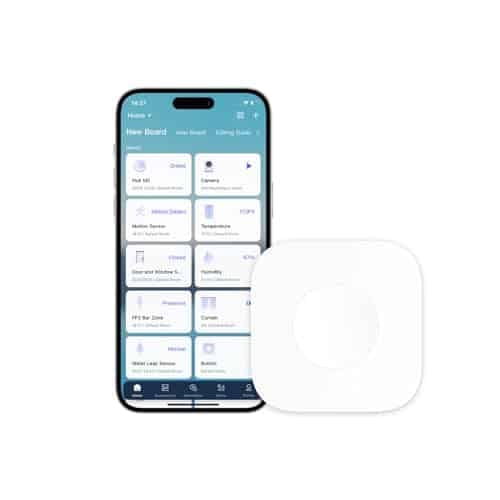 Aqara WXKG11LM
Buttons & remotes · Zigbee · Wireless mini switch
Zigbee2MQTT
ZHA quirk
3 open reports
Review
-
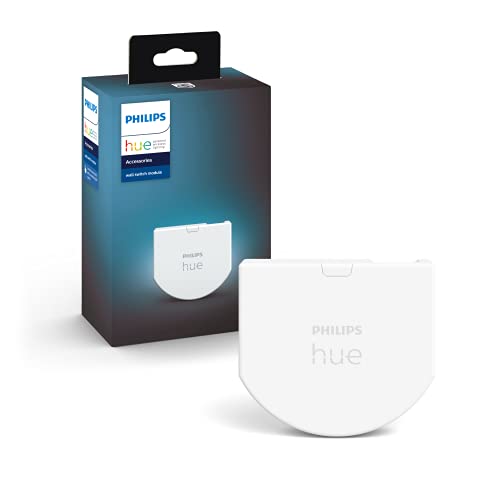 Philips 929003017102
Buttons & remotes · Zigbee · Hue wall switch module
Zigbee2MQTT
ZHA quirk
3 open reports
Review
-
Innr RC 250 Buttons & remotes · Zigbee · Remote control Zigbee2MQTT 1 open report Review
Sources: Zigbee2MQTT, ZHA quirks, Z-Wave JS, the Matter certification database, Shelly, ESPHome, Tasmota, Tuya Local and the issue trackers on GitHub. Reports are assigned to a device by the identifiers they contain; the sentences come from the integration pages, where a language model writes them from the titles.