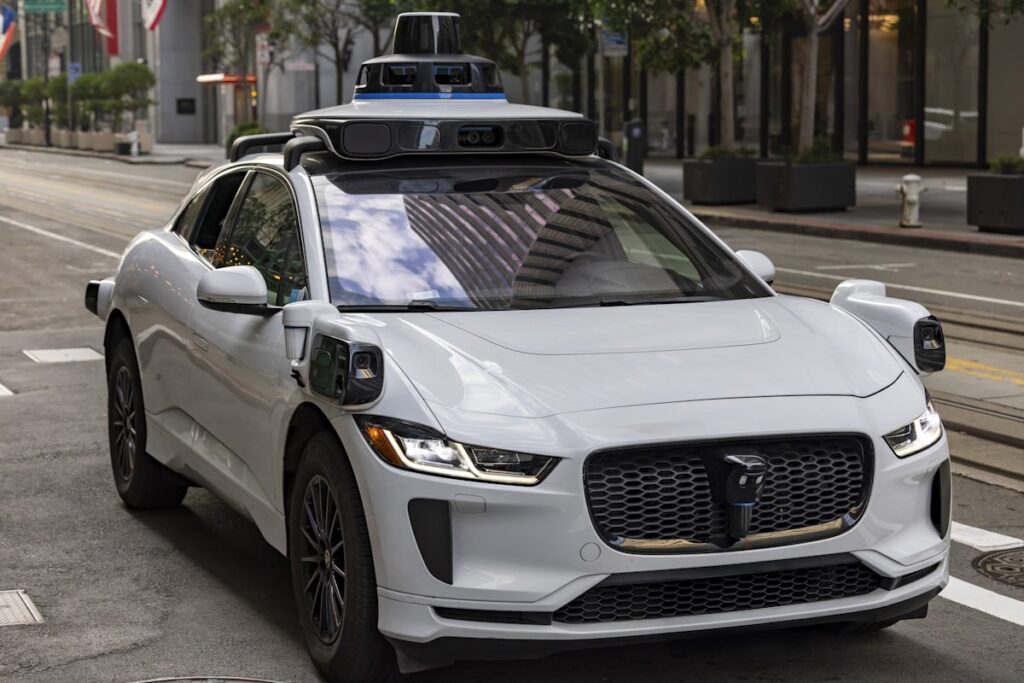

Uber is cutting roughly 3,300 jobs – about ten percent of its global workforce – and reorienting the company squarely toward robotaxis and an autonomous future. It is the largest headcount reduction since the pandemic, announced on 2 September 2026 in an internal memo from CEO Dara Khosrowshahi.
Restructuring, not a cost crisis
The cuts do not stem from a downturn: Uber keeps growing. Khosrowshahi instead blames mounting complexity – “more layers, more coordination, more fragmented ownership,” as he puts it in the memo. Management layers are to shrink by about 20 percent, micro-teams of one or two people are being halved, and roles more than seven levels below the CEO are being eliminated. Uber is also tightening its office rules: reports say around 99 percent of staff will be expected back in the office. In Nigeria and Uganda, the company is ceasing operations entirely.
Billions for the autonomous future
The savings are to be reinvested in ridesharing, delivery and robotaxis. Uber says it has committed more than ten billion dollars to autonomous vehicles; according to Fortune, partners have pledged roughly 120,000 self-driving cars. Waymo vehicles can already be booked through the Uber app in Atlanta and Austin, while Rivian, Baidu and Pony.ai are named as further AV partners. The pressure is rising: Tesla’s Cybercab and Amazon’s Zoox are pushing new robotaxi services into the market.
Context
The timing is striking: in the second quarter of 2026, Uber’s revenue rose 12 percent to 14.2 billion dollars. The layoffs are therefore less a savings drive than a bet on where Uber intends to earn money next – as the platform through which driverless rides, too, are sold.
Sources: TechCrunch, Fortune, Al Jazeera, Bloomberg, Benzinga.